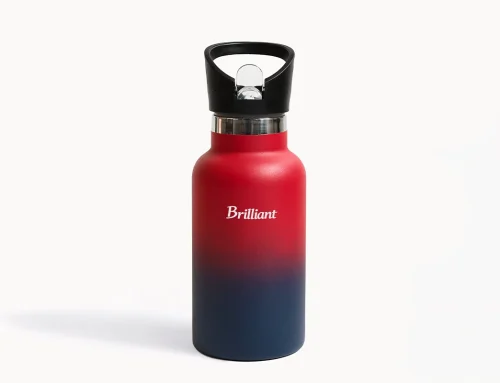
At Brilliant, lid development is never treated as a secondary step. In many projects, the lid is where most adjustments happen—because it directly affects how the bottle is opened, carried, cleaned, and used across different scenarios. A well-designed bottle with the wrong lid quickly feels inconvenient; a well-matched lid, on the other hand, can elevate an otherwise standard product.
A Quick Look at Common Lid Types
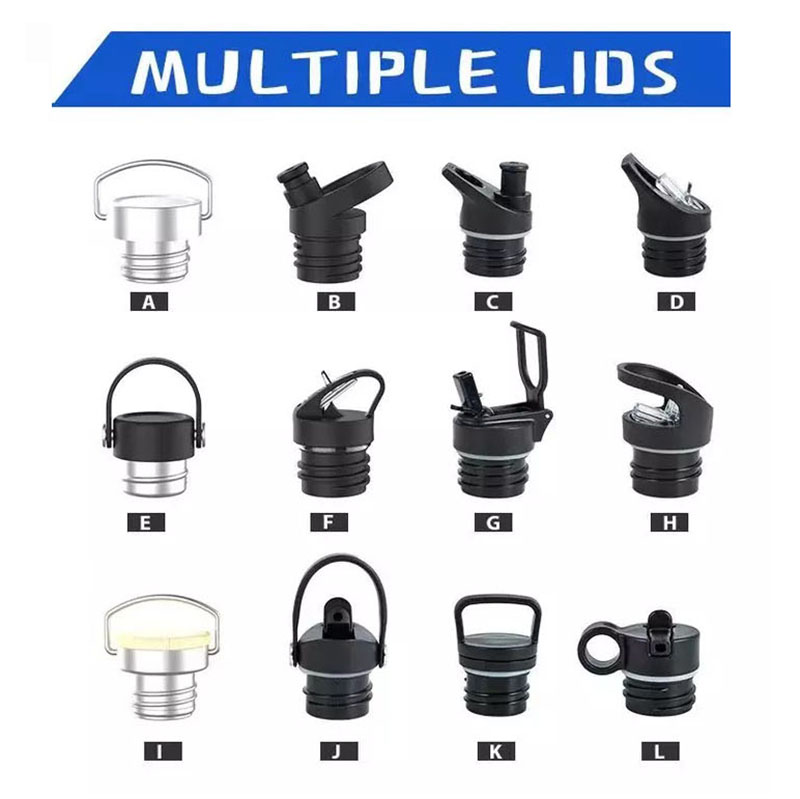
Rather than thinking in terms of “one lid fits all,” most projects involve selecting from a range of established structures and then refining details. The chart above reflects a typical spectrum—from simple screw caps to straw lids, flip lids, and handle-integrated designs.
Materials: Balancing Cost, Durability, and User Experience
Material decisions are less about replacing one option with another, and more about how different materials are combined.

Single Wall Stainless Steel Water Bottle with Straw Lid
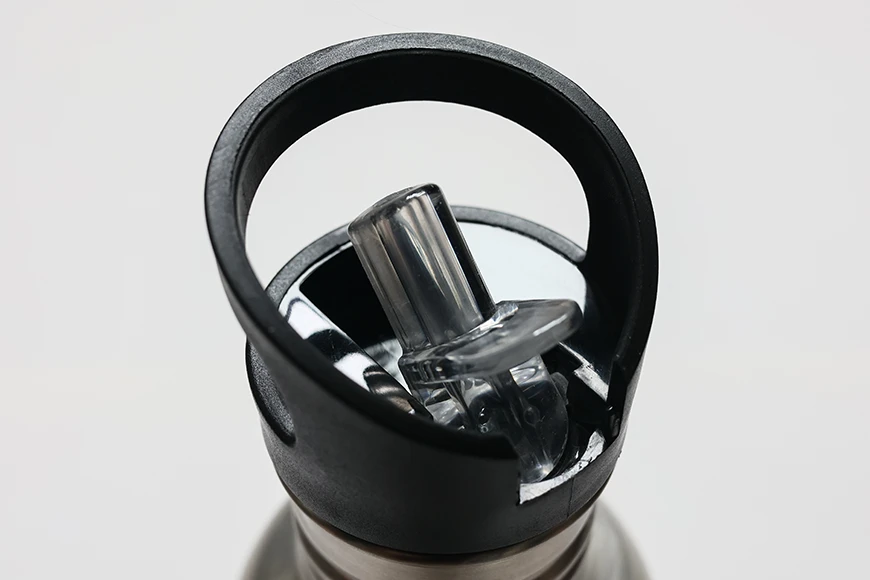
Plastic remains the structural base in almost every lid. PP is used internally for its stability and safety, while Tritan is often chosen when transparency or a cleaner appearance is needed. For example, in bottles with visible drinking components or straw systems, Tritan helps create a more refined look without compromising strength.

Matte Insulated Stainless Steel Bottle with Metal Carry Loop Lid
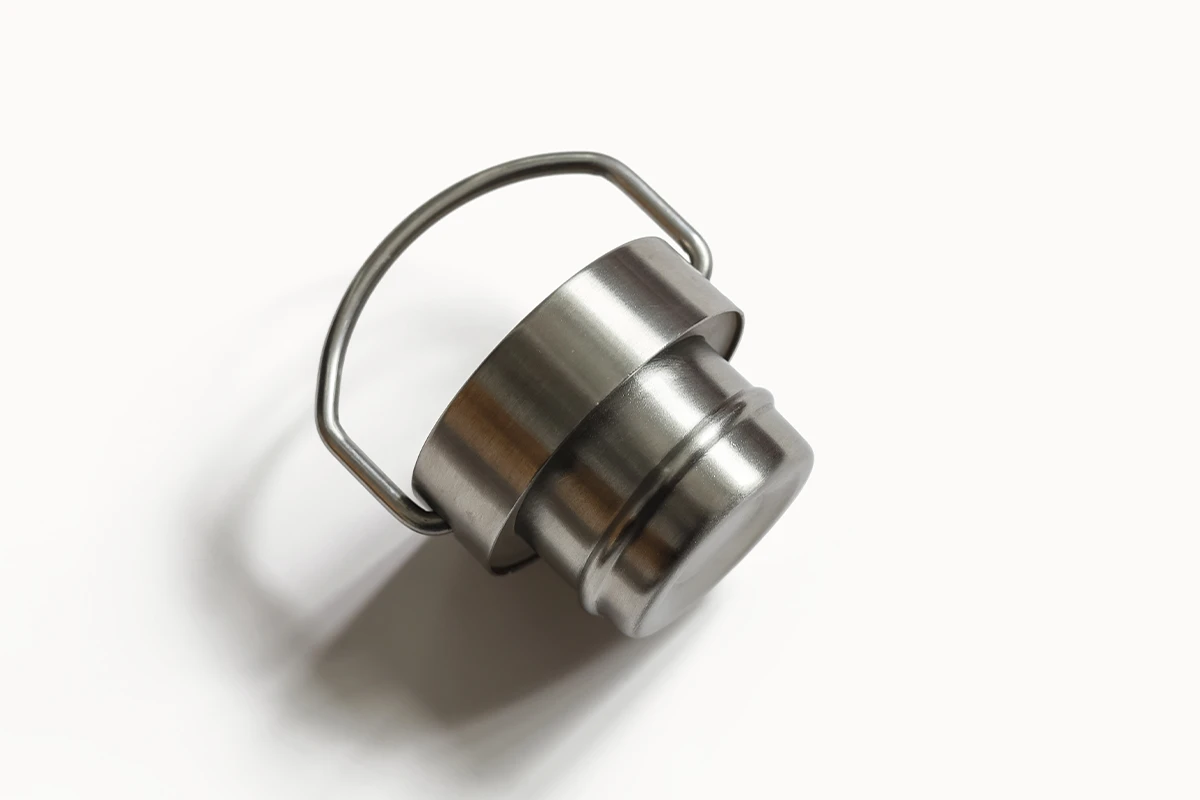
Stainless steel is typically introduced as an outer layer. This can be seen in products like the metal carry loop lid or full stainless caps, where the goal is not just durability but also visual consistency with the bottle body. Compared to full plastic lids, this combination gives a more solid and premium feel in hand.

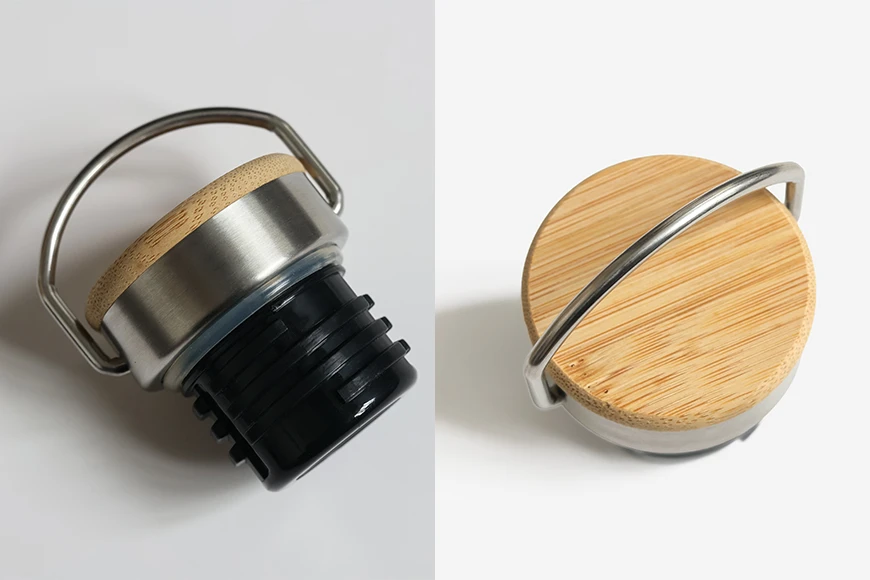
Insulated Stainless Steel Bottle with Bamboo Lid & Carry Handle

Natural materials, such as bamboo, are increasingly used for specific markets. A bamboo-top lid paired with a stainless steel shell creates a softer, lifestyle-oriented aesthetic. These lids are less about performance differences and more about brand positioning and material contrast.
Silicone components are present in almost every design, even if they are not visible. Seal rings and contact surfaces rely on silicone to ensure leak-proof performance. In many cases, improving the seal design has more impact than changing the main material.
Functionality: Matching the Way the Bottle Is Used
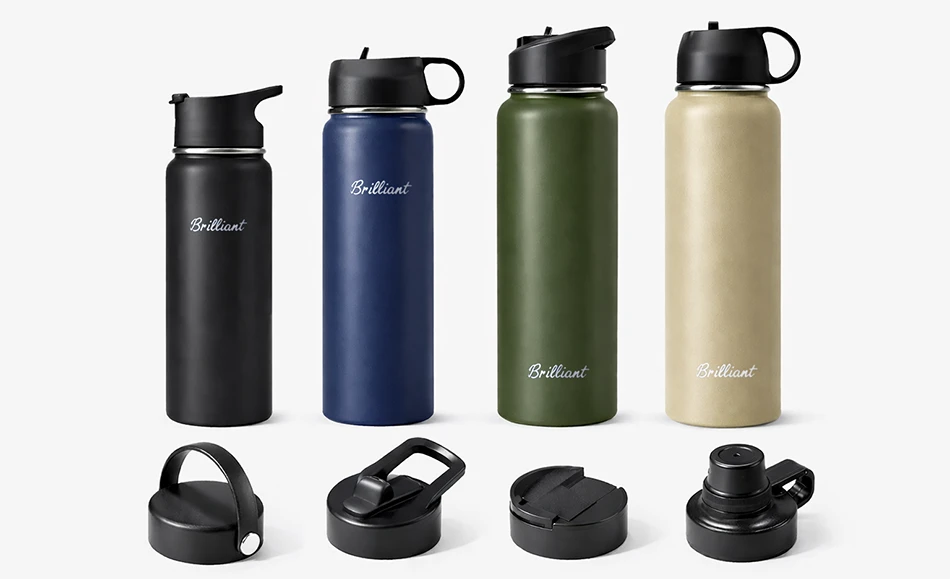
Function is where lid selection becomes more clearly tied to real usage.
Straw lids are common in sports and daily commuting bottles. They allow users to drink without tilting the bottle and are often paired with flip covers for protection. In your straw lid bottle models, this combination works well for cold beverages and frequent use throughout the day.
Direct-drink lids are still the preferred option for hot drinks. Without a straw system, the structure is simpler and more reliable under temperature changes. These lids often appear in vacuum bottles designed for coffee or tea, where controlled flow matters more than speed.
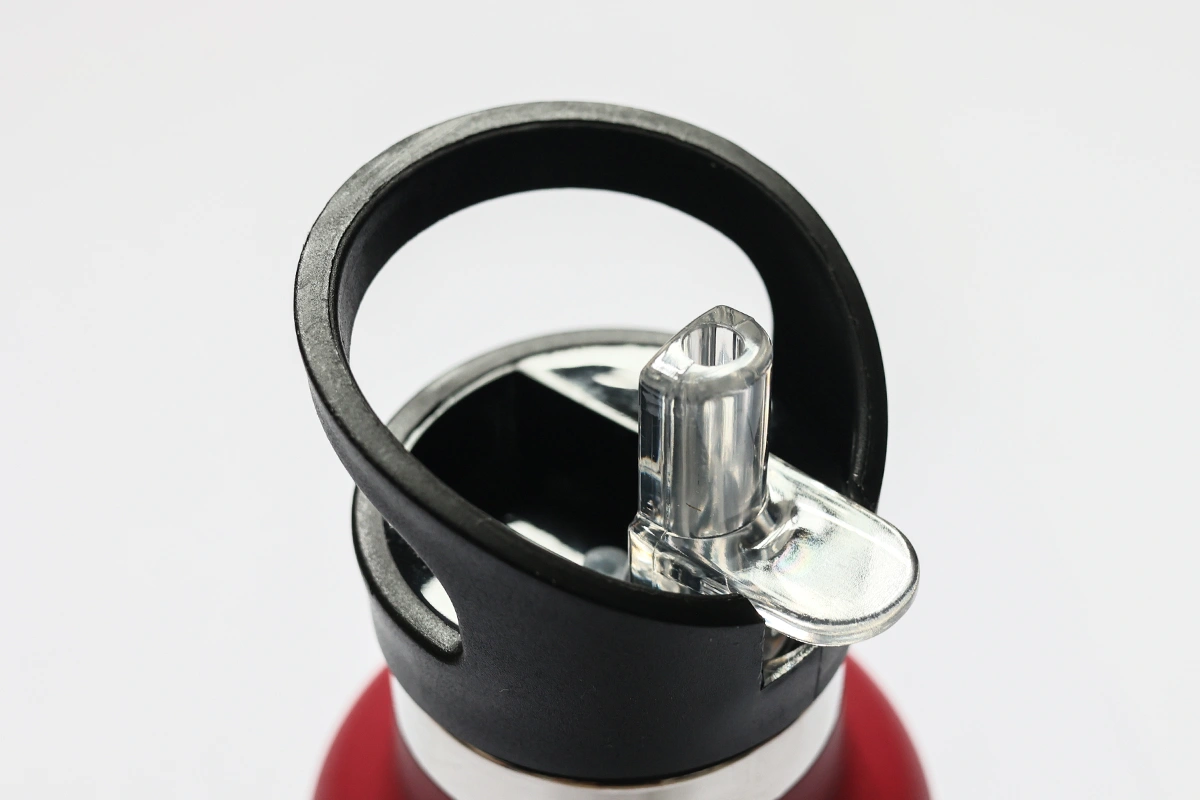

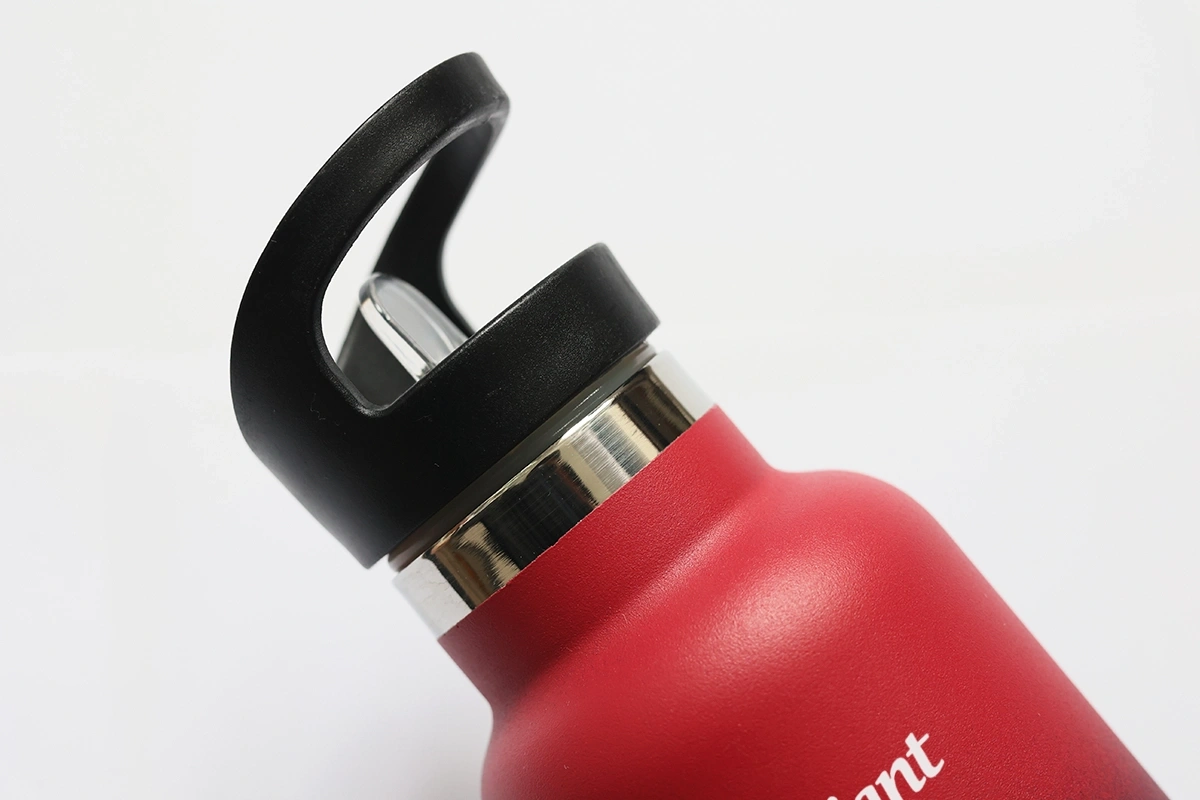
Flip lids and push-button lids are built around convenience. They are typically used in urban or on-the-go scenarios where one-handed operation is expected. However, these designs also require more precise internal structures to maintain durability over time.
Screw caps remain relevant because of their reliability. Products like stainless steel bottles with simple metal or hybrid caps benefit from fewer moving parts, making them suitable for outdoor or heavy-use environments.
Structural Details That Improve Usability
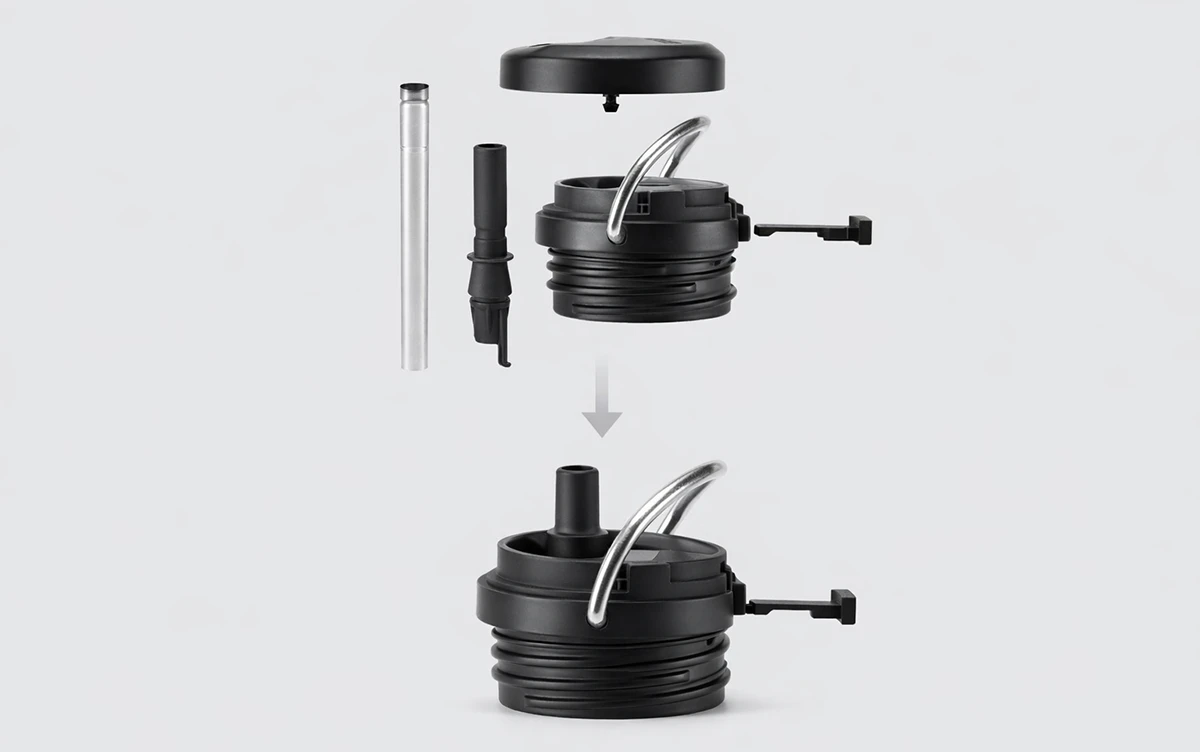
Once the main type is defined, smaller structural elements begin to shape the experience.
- Handle designs vary from fixed metal loops to flexible integrated grips
- Airflow systems affect how smoothly liquid flows during drinking
- Multi-part constructions make cleaning easier and extend product lifespan
- Sealing systems determine whether the bottle can be carried without concern
These details are often adjusted late in development, but they have a disproportionate impact on how the product feels in use.
Additional Considerations That Matter in Real Projects
Beyond materials and function, several practical factors often influence final decisions:
- Ease of cleaning
Lids that can be disassembled without tools tend to perform better in long-term use - Safety features
Lock mechanisms are important for bags and travel scenarios - Portability
Integrated handles or loops are increasingly expected, especially in fitness and outdoor categories - Brand expression
The lid is often the most frequently touched part of the product, making it a natural place for subtle branding details
Putting It Together

Custom Stainless Steel Water Bottle
In most projects, the final lid design is not defined by a single feature, but by how different elements work together. A Tritan flip lid with a straw may suit a sports bottle, while a stainless steel cap with a controlled spout may better match a premium coffee flask.
From our experience at Brilliant, successful lid customization comes down to understanding the context in which the bottle will be used, and then aligning material, function, and structure accordingly. When those elements are in sync, the product feels intuitive—something users notice immediately, even if they cannot explain why.
As a custom stainless steel water bottle manufacturer, we approach each project from this perspective—ensuring every lid option is developed with a clear purpose rather than added as a variation. If you are developing a new bottle project, we can help you select or customize the most suitable lid solution based on your target market.